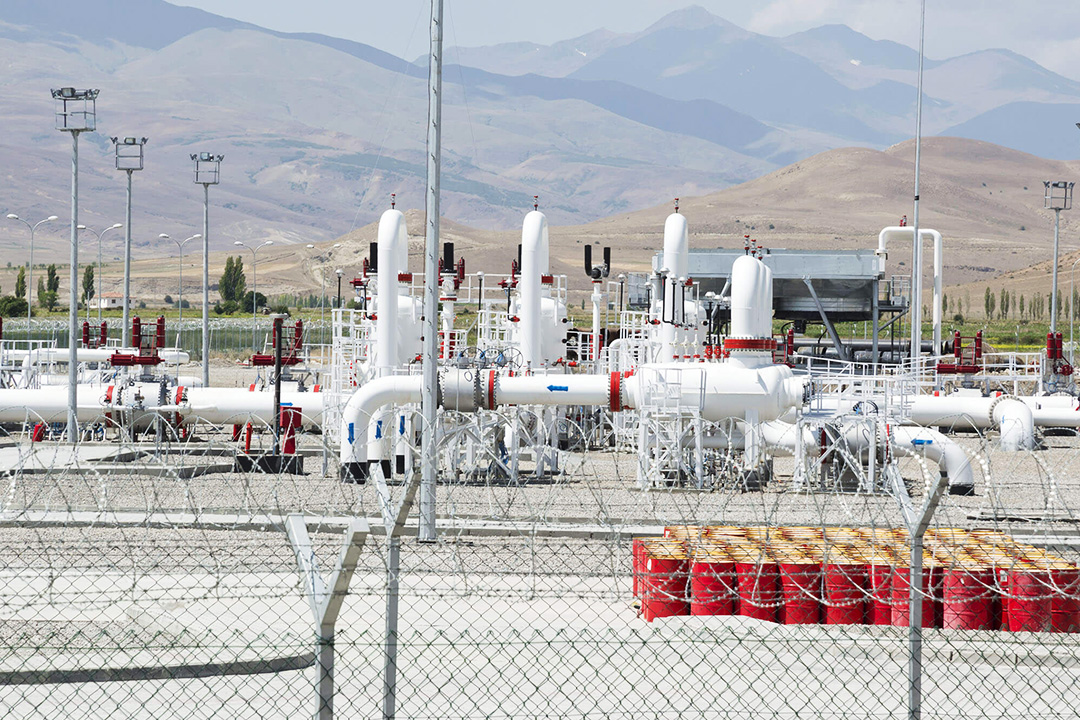
1. Protective Function
Fall Prevention: The primary function of edge protection fencing is to prevent people or objects from falling from heights, especially on construction sites and in areas requiring work at height. By installing fencing or barriers, the work area is separated from the hazardous edge.
Structural Stability: These fences are typically made of robust metal, steel, or other durable materials, ensuring they are not easily collapsed under high wind speeds or strong impacts, providing reliable protection.
2. Flexible Installation and Dismantling
Quick Installation: Edge protection fencing is generally designed with a modular structure, allowing for quick installation and dismantling, suitable for temporary construction areas. Installation and dismantling are convenient, and the position can be adjusted as construction progresses.
Adjustability: These fences are typically adjustable in height and length to adapt to different site requirements.
3. Multiple Material Options
Metal (Steel or Aluminum Alloy): Metal materials are commonly used for edge protection fencing because of their high impact resistance, corrosion resistance, and durability. Steel or aluminum alloy fences can withstand significant forces, ensuring safety.
Plastic or PVC: Some lightweight edge protection fences may use plastic or PVC materials. These fences are suitable for lighter working environments but not for areas requiring higher strength.
Wire Mesh Material: Some fences use a wire mesh structure, allowing for visibility while effectively preventing people or objects from falling.
4. Enhanced Safety Design
No Sharp Edges: To avoid worker injury, edge protection barriers typically feature rounded or closed edges, avoiding sharp parts.
Suitable Height and Width: Generally, edge protection fences are between 1 and 1.5 meters high, effectively blocking the risk of falls and clearly marking danger zones.
Markings and Warnings: Many edge protection fences are equipped with clear safety signs and warning signs, such as "Danger" signs and construction area markings, reminding workers to pay attention to safety.
5. Adaptability to Different Sites
High-Altitude Work and Construction Sites: Edge protection fences are essential for high-altitude work such as building construction, bridge construction, and high-rise building construction. They effectively prevent workers from falling from heights and ensure the safety of the construction site. Temporary Construction Areas: Edge protection fencing can be used to enclose temporary construction areas, isolating hazardous areas and preventing unauthorized personnel from entering.
Bridge and Tunnel Projects: In special sites such as bridge construction and tunnel construction, edge protection barriers provide effective protection to prevent workers from falling.
6. Strong Weather Resistance
Wind, Rain, and UV Resistance: Edge protection fencing is frequently exposed to the outdoors and must withstand harsh weather conditions. Many fences use UV-resistant coatings and galvanized steel materials to ensure stable protective effects in rain, sunlight, and sandstorms.
7. Visibility and Warning
High Visibility: Edge protection fencing typically uses bright colors (such as orange, yellow, and red) or reflective materials to ensure the fence's location is clearly visible at night or in poor visibility conditions, serving as a warning.
Enhanced Warning Effect: Some fences may be equipped with warning signs, reflective strips, or special warning lights to further improve visibility and safety.
8. Durability and Low Maintenance
Corrosion and Rust Resistance: Especially in outdoor environments, edge protection fencing requires corrosion-resistant treatments. For example, galvanized steel and powder coating treatments can prevent metal surfaces from rusting, extending the fence's lifespan.
Impact Resistance: Edge protection fencing needs to be impact-resistant to prevent damage when construction vehicles or equipment collide with it.