Hinged knot fencing is a popular type of woven wire mesh fencing designed specifically for agriculture and livestock. Known for its flexibility, strength, and durability, it is ideal for penning large animals such as cattle, sheep, and goats, or for enclosing large areas such as farms, ranches, or wildlife sanctuaries. Here is a detailed overview of its features:
1. Hinged Knot Design
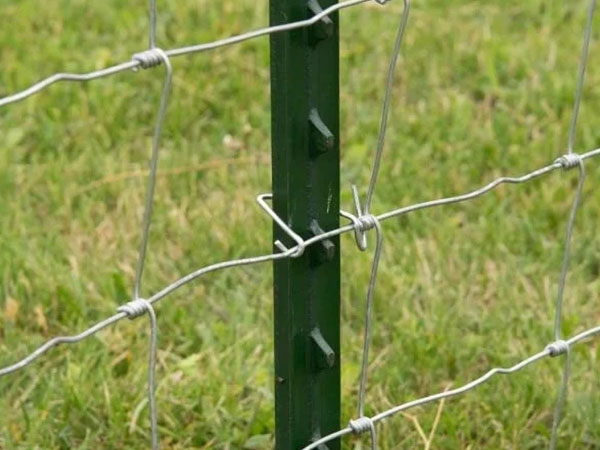
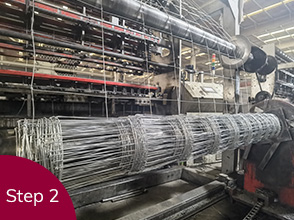
Flexibility: The most notable feature of hinged knot fencing is its wire mesh connection using hinged knots. This knot is a twisted method that connects horizontal wires (“pull lines”) to vertical wires (“support lines”). Unlike fixed knots, hinged knots allow the fence to stretch or bend under stress, preventing it from easily breaking when animals push or lean against it.
Self-Adjusting: The flexibility of the hinged knot design means the fence can “deform” under pressure (such as animal friction or pushing) and return to its original shape after the pressure is released. This makes the fence less susceptible to damage from impacts.
2. Durability and Strength
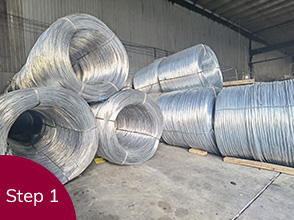
High-strength Steel Wire: The steel wire used in hinged-knot fences is typically made of high-strength steel, strong enough to withstand the pressure exerted by large livestock. High-strength wire means the fence is less prone to sagging or stretching over time, providing a durable solution for captive animals.
Rust and Corrosion Resistance: Hinged-knot fences are typically galvanized to prevent rust and corrosion, ensuring the fence can withstand weather conditions such as rain, snow, and moisture without damage. This galvanizing process significantly extends the fence's lifespan, sometimes up to 30 years or more, depending on the environment.
PVC Coating: Some hinged-knot fences feature a PVC coating, providing an extra layer of protection against various weather conditions and enhancing the fence's appearance.
3. Animal Penning
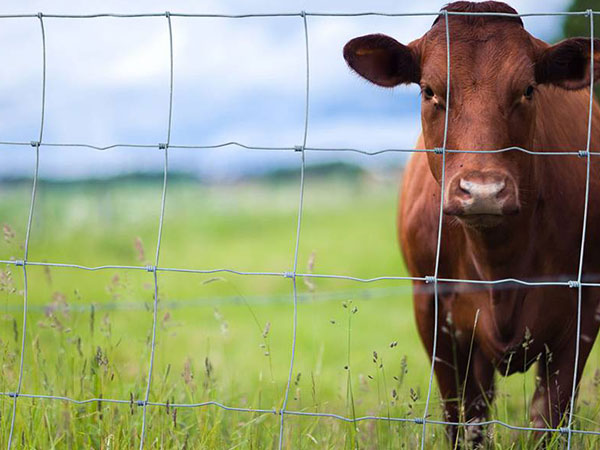
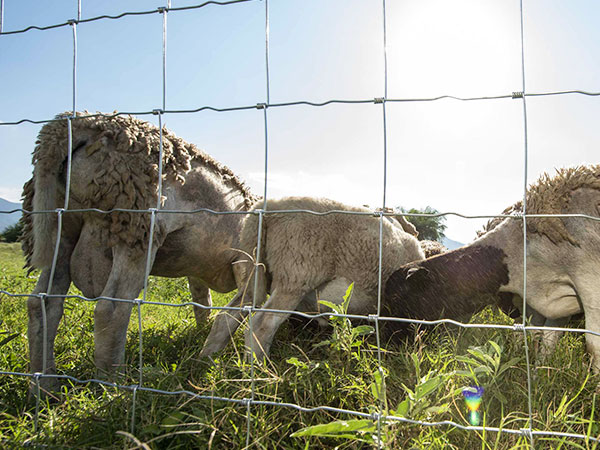
Ideal for Livestock: Hinged-knot fences are designed for penning livestock such as cattle, sheep, and goats. The spacing between the vertical wires (support wires) can be customized according to the type of animal being penned. For example, the horizontal wire spacing in cattle fences is typically larger, while the spacing in fences for smaller animals such as goats may be smaller to prevent escape.
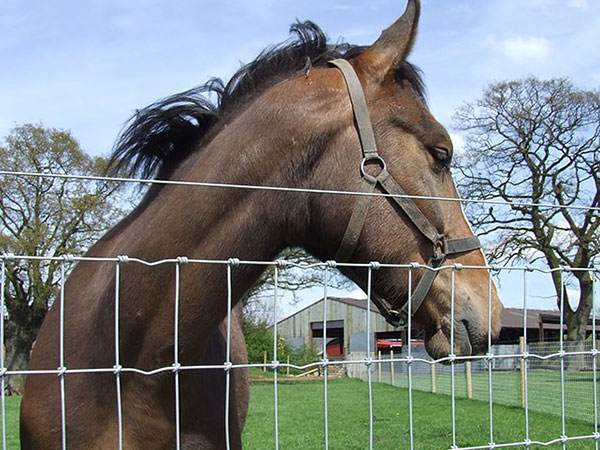
Flexibility for Large Animals: The flexibility of hinged joints allows the fence to "move" when animals exert pressure, reducing the risk of damage. This flexibility also makes it easier to keep animals that try to push or lean against the fence.
Wildlife Protection: While hinged fences are primarily used for livestock, they can also be effectively kept out of certain areas by design.
4. Multiple Height and Spacing Options
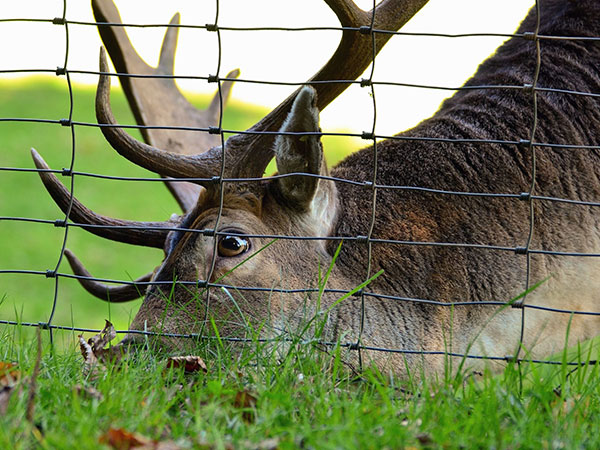
Height: Hinged fences are available in a variety of heights, typically from 3 feet to 6 feet or higher. The height you choose depends on the type of livestock you are keeping or the area you want to protect. Higher fences are suitable for larger animals or more aggressive animals, such as deer, which can jump over lower fences.
Wire Spacing: The spacing between the vertical wires (support wires) can be customized depending on the type of animal you are keeping. Generally, smaller animals require narrower wire spacing, while larger livestock require wider spacing. For example:
Cattle: The spacing between the horizontal wires is typically 6 to 8 inches.
Sheep or goats: Wire spacing may be 4 to 6 inches to prevent small animals from escaping the enclosure.
Deer or other wild animals: Hinged fences designed specifically for wildlife control typically have vertical spacing as small as 4 inches.
5. Ease of Installation
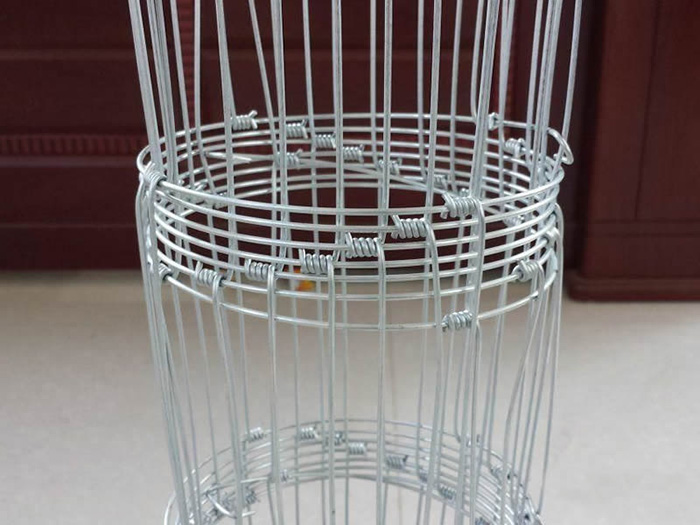
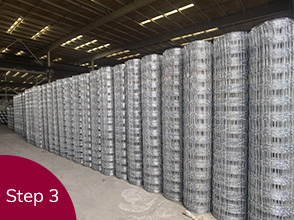
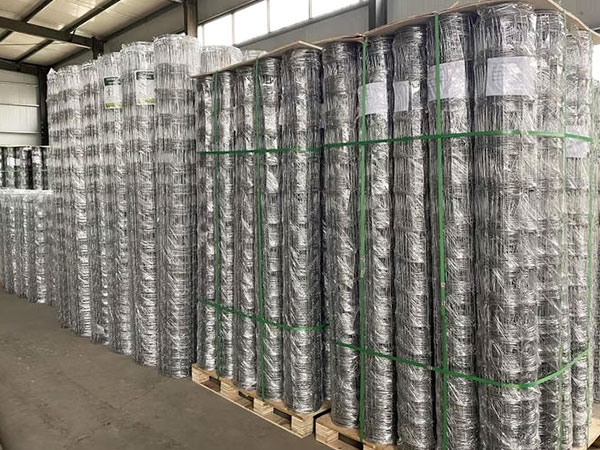
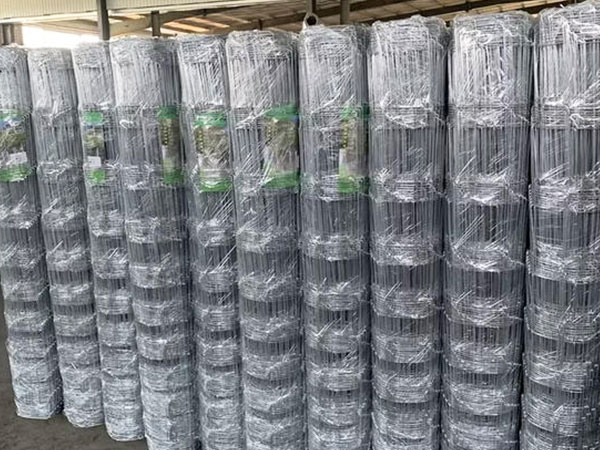
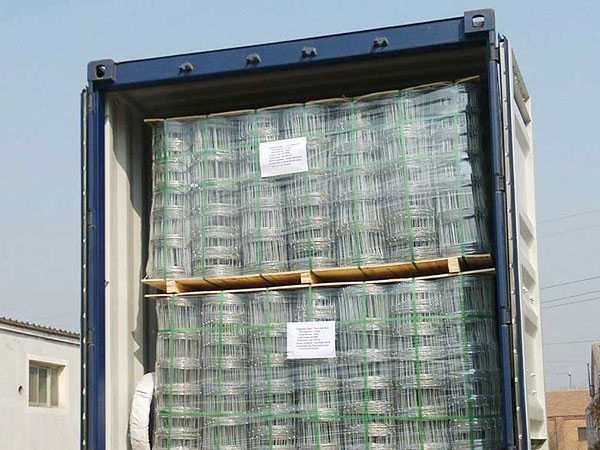
Rolled Wire: Hinged fences are usually sold in rolls, making them easy to handle, transport, and install. Once the wire is unrolled, installation along the fence posts is also relatively easy. This is a significant advantage compared to other types of fencing, such as wooden or welded wire mesh, which can be heavier and more difficult to handle.
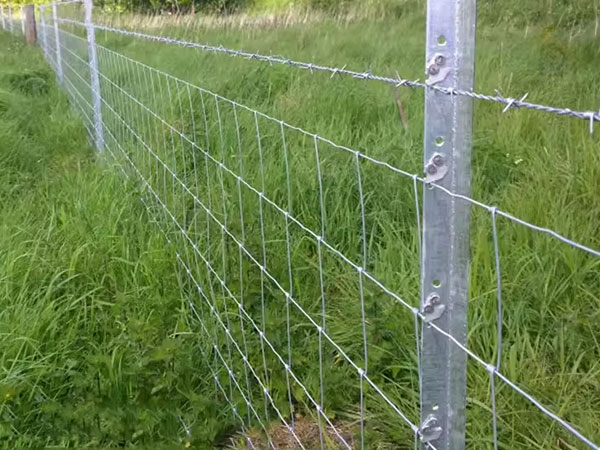
Post Spacing: Hinged fence posts are typically spaced 8 to 10 feet apart, depending on the fence height and terrain. This type of fence requires sturdy posts (wood, metal, or concrete) to effectively support the wire.
Tension: Hinged fences require tension during installation to ensure the fence remains taut and stable over the long term. Tension keeps the wire taut and prevents sagging or loosening as the fence ages.
6. Affordable
Initial Investment: The cost of hinged fencing depends on the materials (e.g., galvanized or PVC-coated steel wire) and the fence height. Generally, hinged fencing is more economical than other types of fencing, such as welded wire fencing or panel fencing, especially considering its long-term durability.
Low Maintenance Costs: High Flexibility