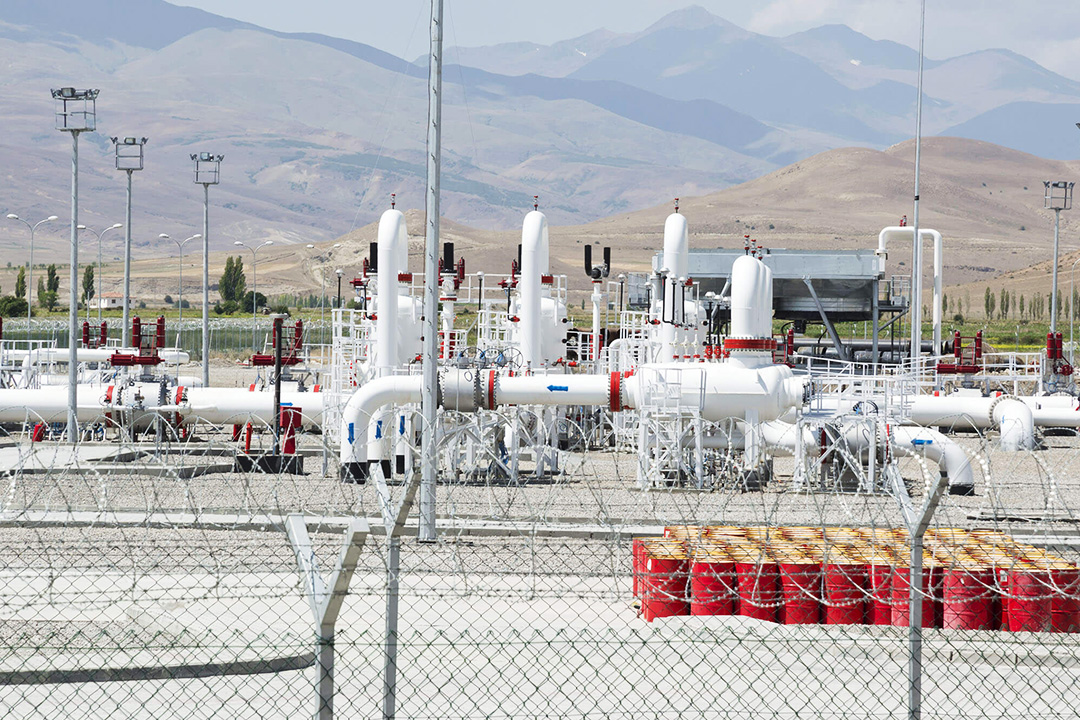
Temporary fencing in Canada is widely used in various short-term and temporary situations, such as construction sites, public events, and event management. They are simple in design, easy to install and dismantle, and offer excellent security and stability, effectively isolating different areas and ensuring safety. Here are some key features of Canadian temporary fencing:
1. Easy Installation and Dismantling
No Infrastructure Required: Canadian temporary fencing typically requires no drilling or permanent infrastructure. Installation and dismantling are accomplished through simple connection and padlock systems, saving time and labor.
High Mobility: These fencing are ideal for temporary needs, allowing for quick setup and reconfiguration in different locations, facilitating relocation and storage.
2. High Durability and Weather Resistance
Weather-Resistant Materials: Canadian temporary fencing is typically made of high-strength steel, galvanized metal, or aluminum alloy, capable of withstanding various weather conditions such as cold, snow, freezing, and rain.
Corrosion Resistance: Many temporary fencing are galvanized to prevent rust and corrosion, making them particularly suitable for cold and humid environments.
3. High Security
Intrusion Prevention: Temporary fencing in Canada is typically designed to be high, generally 1.8 meters (6 feet) or higher, to prevent unauthorized access to designated areas.
Strength: The fencing structure is robust and wind-resistant, able to withstand strong winds and severe weather, making it particularly suitable for variable climate conditions.
Anti-Climbing Design: Some temporary fences feature anti-climb designs to prevent people from climbing and entering, further enhancing security.
4. Versatile Uses
Construction Sites and Worksites: In Canada, temporary fencing is widely used at construction sites and worksites to ensure that construction areas are separated from the public, preventing unauthorized access and protecting site equipment.
Public Events and Large-Scale Events: At public events such as sporting events, music festivals, and exhibitions, temporary fencing is used to demarcate areas, manage crowd flow, and ensure the safety of event areas.
Traffic and Road Construction: Temporary fencing used for road construction or bridge repair isolates construction areas, protects the safety of workers, and guides traffic.
Agricultural Applications of Temporary Fencing: Temporary fencing is also commonly used in agricultural activities to enclose livestock areas or prevent wildlife intrusion.
5. High Visibility
Warning Effect: Many Canadian temporary fences use bright colors (such as yellow, orange, red, etc.) or are equipped with reflective markings to improve visibility, especially at night or in low visibility conditions, increasing safety.
Nighttime Safety: Temporary fences may be equipped with reflective strips or lights to improve nighttime visibility and alert vehicles and pedestrians.
6. High Adaptability
Multiple Types: Temporary fences come in various designs to meet different needs, such as mesh fences, solid fencing, and steel railings, suitable for different application scenarios. For example, steel mesh fences are commonly used on construction sites, while simpler aluminum alloy fences may be chosen for event venues.
Adjustable Height: Some temporary fences allow for height adjustment to suit different safety requirements and usage scenarios.
7. Durable and Easy to Clean
Long-Term Use: These fences can be used for many years in harsh environments and are not easily damaged, making them ideal for reuse.
8. Easy Maintenance
Due to their smooth material, temporary fences are generally less prone to dust accumulation or corrosion, and are relatively easy to clean.
9. Cost-Effectiveness
Rental Options: Many companies offer temporary fence rental services, suitable for short-term projects or events, avoiding the high costs of purchasing.
10. Economical
Compared to permanent fences, temporary fences are more cost-effective, especially suitable for locations requiring frequent changes or temporary use.