1. Robust and Durable
High Strength: Welded fences, utilizing metal welding technology to firmly connect metal parts, possess high impact resistance and stability, capable of withstanding significant pressure and external forces.
Corrosion Resistance: Welded metal fences can use corrosion-resistant materials such as galvanized steel, aluminum alloy, and stainless steel, effectively resisting weather changes, especially demonstrating excellent durability in humid or coastal environments.
2. Aesthetically Pleasing Design
Diverse Patterns and Styles: Welded fences can often be customized to meet design requirements, allowing for the creation of various patterns, designs, and decorative elements such as flowers, vines, and geometric shapes. The metal material can support complex carvings and curved designs, enhancing aesthetics.
Modern and Classic Blend: Welded fences not only suit modern minimalist styles but can also be cleverly designed to incorporate traditional elements, making them suitable for various architectural styles, from classic wrought iron patterns to more modern, clean-lined designs.
3. Protective Function
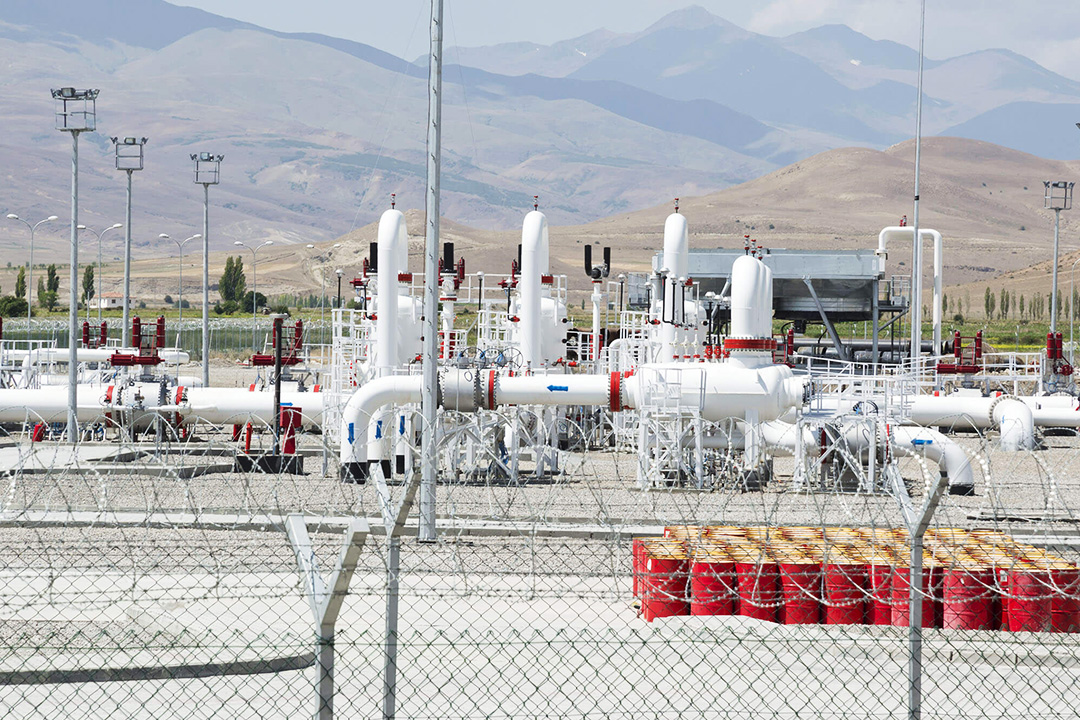
Anti-Climbing: Welded fences are often designed with anti-climbing features, especially for high-security locations such as prisons, factories, and schools. By welding metal poles into a tight structure, it effectively prevents intruders from climbing.
Protective Safety: The metal structure of welded fences is more robust than other types of fences, effectively blocking intruders and providing a certain degree of physical protection.
4. Wind Resistance and Stability
Due to the characteristics of metal materials, welded fences have a very stable overall structure and strong wind resistance, remaining stable even in strong winds. Furthermore, the strength of metal is far higher than other materials such as wood, making it suitable for long-term use in outdoor environments.
5. Low Maintenance Requirements
High Weather Resistance: Welded fences typically use corrosion-resistant and oxidation-resistant materials, such as galvanized steel or powder coating, effectively preventing rust and oxidation. This reduces the frequency of maintenance and repairs, extending the fence's lifespan.
Easy to Clean: The metal surface is usually very smooth, making cleaning very convenient. Regular washing and wiping with water can remove dust and stains, maintaining the fence's appearance.
6. Customization and Flexibility
Custom Design: Welded fences can be customized in height, width, style, etc., according to customer needs, allowing for the creation of fences suitable for different environments, requirements, and aesthetics.
7. Flexible Combinations: Welded fencing can be combined with different types of gates, railings, and decorative elements to form personalized fencing systems. Different metal materials and paint finishes are available.
8. Wide Applicability: Welded decorative fencing is widely used in various settings:
Homes and Gardens: Provides aesthetic appeal and security, especially suitable for private residences, gardens, and backyards.
Commercial Locations: Such as shops, hotels, and restaurants, it is both decorative and enhances the overall visual appeal of the environment.
Public Areas: Such as parks, schools, hospitals, and sports fields, welded fencing provides security boundaries and adds aesthetic appeal due to its unique design.
Industrial and High-Security Areas: For example, factories, warehouses, and prisons, welded fencing typically offers stronger protective capabilities.
9. Weather Resistance and Adaptability: Adaptable to Different Environments: Whether in high-temperature, cold, humid, or dry environments, welded fencing exhibits excellent weather resistance. Especially under extreme weather conditions, metal fencing is more durable than fencing made of other materials such as wood and PVC. 9. Space Saving
Welded fences are typically simple and compact, saving space and making them suitable for confined spaces or locations requiring higher fencing.
10. Environmental Friendliness
The metal materials used in welded fences (such as aluminum and stainless steel) are generally recyclable, thus possessing a certain degree of environmental friendliness and meeting the green and environmentally friendly requirements of modern architecture.