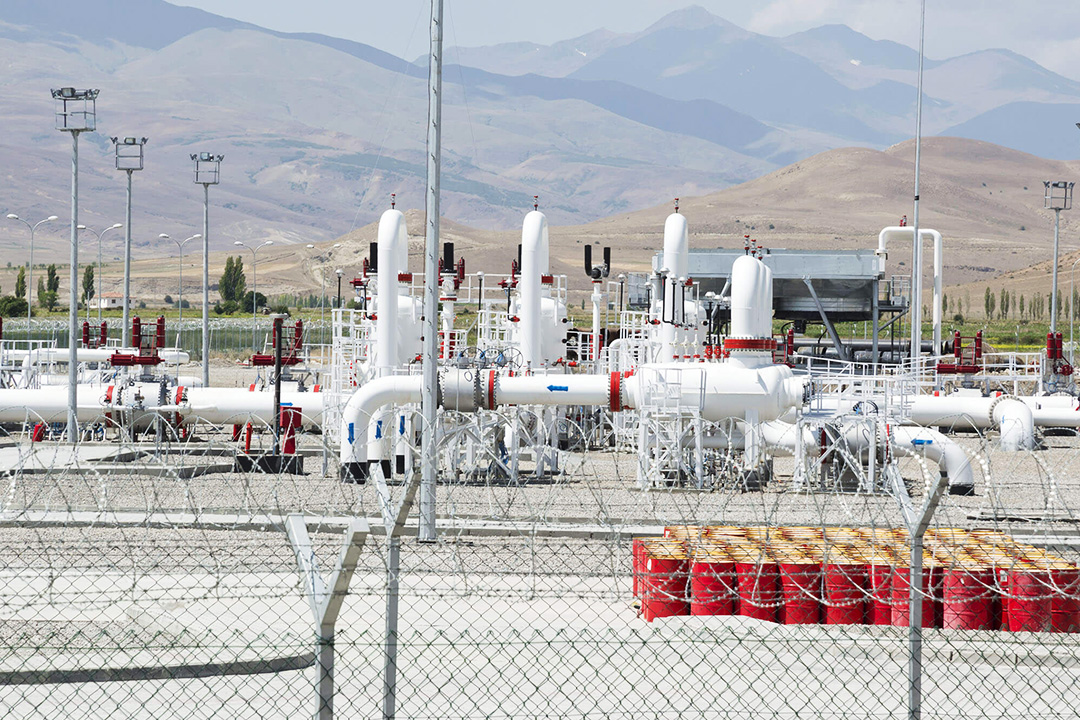
steel fencing is a type of fencing made of zinc-plated steel. Due to its
strong corrosion resistance, attractive appearance, and long service life, it is
widely used in residential areas, public facilities, factories, schools, and
other locations. Its structure generally consists of steel pipes, steel posts,
and crossbars, with a galvanized surface treatment, providing excellent
corrosion resistance and weather resistance. The following are the main
characteristics of zinc-steel fencing:
1. Strong Corrosion Resistance
Features: The steel surface of zinc-steel fencing undergoes hot-dip
galvanizing, forming a dense zinc layer. This zinc layer effectively prevents
oxygen and moisture from contacting the steel, thus greatly improving its
corrosion resistance.
Advantages: Even in harsh outdoor environments (such as humid and rainy
areas), it maintains a long service life, preventing rust and corrosion.
2. Aesthetics
Features: The surface of zinc-steel fencing can be treated with spraying,
baking paint, etc., resulting in a smooth, flat surface with vibrant colors,
meeting modern aesthetic requirements.
Advantages: 1. Simple and elegant appearance with clean lines: It blends well
into various environments, making it particularly suitable for residential
areas, gardens, public places, and other locations requiring aesthetic
appeal.
3. High Strength and Robustness:
Features: Zinc-steel fences use steel pipes as the main support material. The
high strength of the steel results in a robust and durable structure with strong
impact resistance.
Advantages: Suitable for locations requiring high protection, such as
industrial areas, road barriers, and school fences, effectively preventing
external damage or unauthorized intrusion.
4. Weather Resistance and High Temperature Resistance:
Features: The galvanized layer of zinc-steel fences effectively protects the
steel from the effects of climate change, making it resistant to high
temperatures and resistant to aging.
Advantages: Can be used in harsh environments such as high temperatures and
strong ultraviolet radiation, suitable for areas with significant seasonal
changes.
5. Strong Protective Function:
Features: Zinc-steel fences typically have a robust structural design with
moderately spaced mesh or iron bars, effectively preventing unauthorized
entry.
Advantages: Prevents unauthorized personnel from entering specific areas,
providing a high level of security, especially suitable for schools, factories,
warehouses, and industrial parks.
6. Resistant to Fading and Aging
Features: The surface coating of zinc-steel fences, after baking paint or
powder coating, has strong UV resistance, making it resistant to fading and
aging.
Advantages: Even after prolonged exposure to sunlight, it maintains a fresh
appearance for a long time, requiring no frequent maintenance or
replacement.
7. Easy Installation
Features: Zinc-steel fences are typically designed for simplicity, requiring
minimal technical skills for installation. They can be quickly secured using
screws or specialized accessories.
Advantages: Saves installation time and labor costs, suitable for rapid
deployment in various settings.
8. Customizable
Features: The height, width, mesh style, and color of zinc-steel fences can
all be customized to meet specific needs, satisfying the functional and
aesthetic requirements of different locations.
Advantages: Highly adaptable, allowing for personalized design based on site
conditions, providing a variety of options.
9. Easy Maintenance
Features: The smooth surface of zinc-steel fences prevents dust and water
accumulation, and the galvanized layer effectively prevents rust, thus requiring
minimal cleaning and maintenance.
Advantages: Compared to other metal fences, zinc-steel fences are easy to
maintain, reducing later maintenance costs and workload.
10. Environmental Friendliness
Features: Zinc-steel fences use recyclable materials, and the production
process does not generate excessive pollution.
Advantages: Meets environmental protection requirements and is increasingly
favored in modern architecture and urban planning.