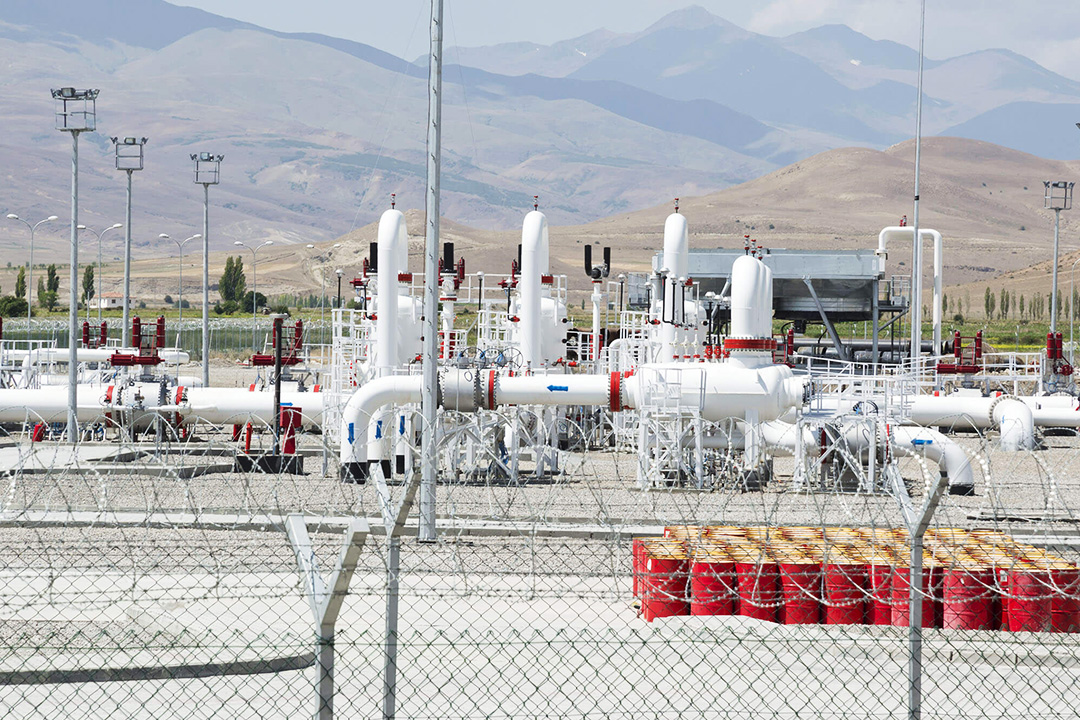


- Protective function
- Deterrent effect
- High security
- Galvanized steel wire or stainless steel wire is commonly used.
- Double or multi-layer barbed wire
- Electrified barbed wire
Regarded as one of the most economical and efficient physical security measures available, barbed wire is extensively applied in residential, agricultural, commercial, and industrial contexts. Whether for deterring trespassers, controlling livestock movement, or enhancing the security of sensitive facilities, it provides a reliable and immediately recognizable deterrent. Its straightforward installation, low maintenance requirements, and proven effectiveness make it a globally recognized and trusted choice for boundary demarcation and access control.
| Galvanized Barbed Wire Specifications | |||||
| Photo | Wire Diameter (BWG) | Length (m/kg) | |||
| Barb Distance 3" | Barb Distance 4" | Barb Distance 5" | Barb Distance 6" | ||
 | 12×12 | 6.06 | 6.75 | 7.27 | 7.63 |
| 12×14 | 7.33 | 7.90 | 8.30 | 8.57 | |
| 12.5×12.5 | 6.92 | 7.71 | 8.30 | 8.72 | |
| 12.5×14 | 8.10 | 8.81 | 9.22 | 9.562 | |
| 13×13 | 7.98 | 8.89 | 9.57 | 10.05 | |
| 13×14 | 8.84 | 9.68 | 10.29 | 10.71 | |
| 13.5×14 | 9.60 | 10.61 | 11.47 | 11.85 | |
| 14×14 | 10.45 | 11.65 | 12.54 | 13.17 | |
| 14.5×14.5 | 11.98 | 13.36 | 14.37 | 15.10 | |
| 15×15 | 13.89 | 15.49 | 16.66 | 17.50 | |
| 15.5×15.5 | 15.34 | 17.11 | 18.40 | 19.33 | |
| PVC Coated Barbed Wire | ||||
| Photo | Wire Diameter | Barbs Distance | Barb Length | |
 | Before Coating | After Coating | ||
| 1.0-3.5 mm | 1.4-4.0 mm | 75-150 mm | 15-30 mm | |
| BWG 20 - BWG 11 | BWG 17 - BWG 8 | |||
| PVC coating thickness: 0.4–0.6 mm; different colors or length are available at customers request | ||||


Keep in touch with us
If you have any questions or requirements, please feel free to contact our customer service team. Our professional team will provide you with detailed product information, answer your questions, and tailor the best solution to meet your needs.
Mob:+86-153-6985-6999 +86-133-2318-6988
E-mail:Sales@fence-global.com