

- Structure and Layout
- Stable Doors and Passages
- Safety and Protection
- Stable Interior Facilities
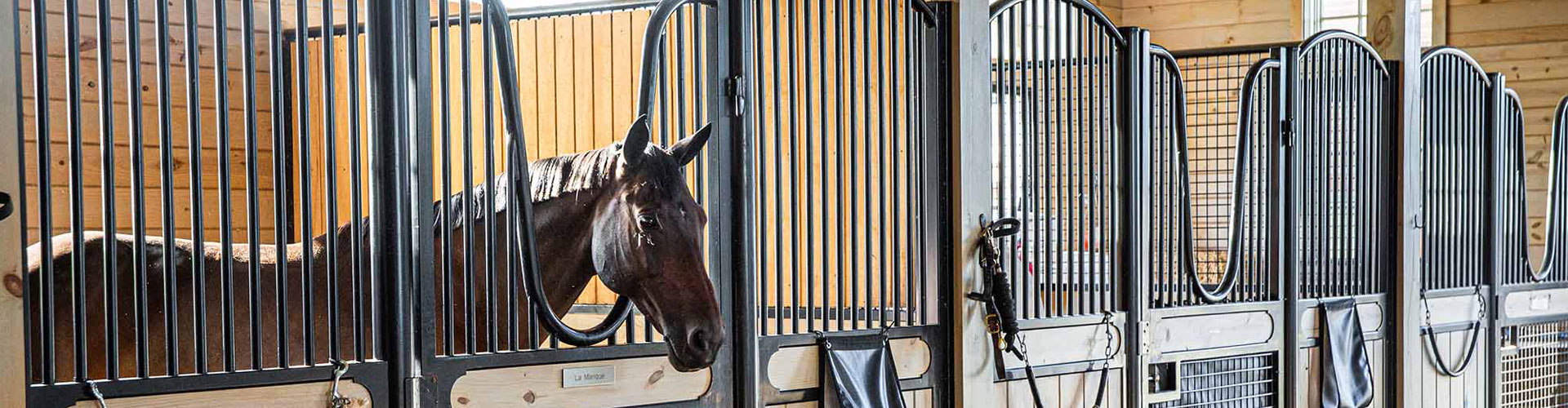
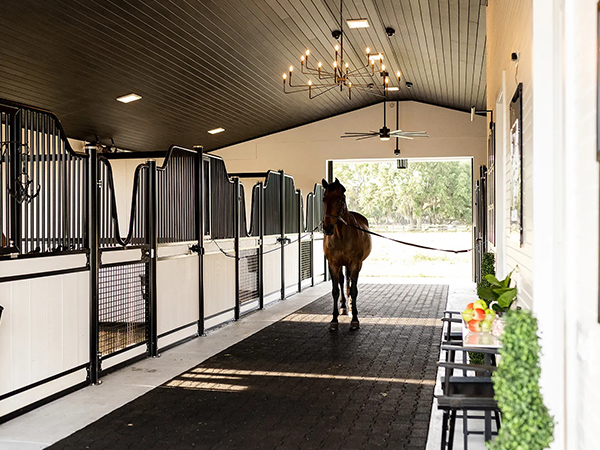
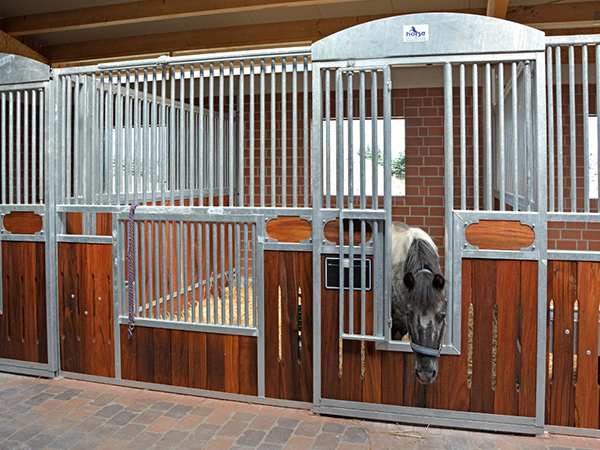
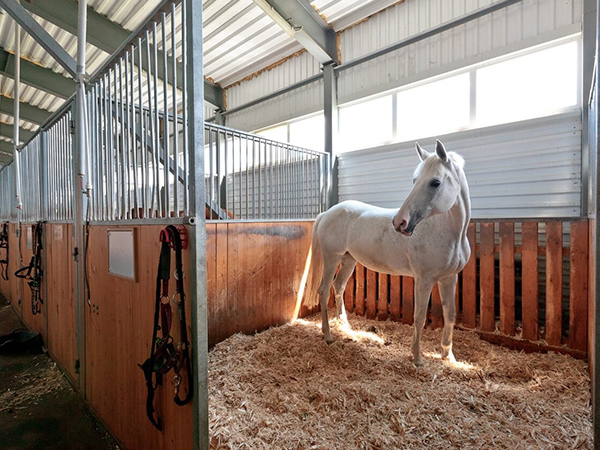
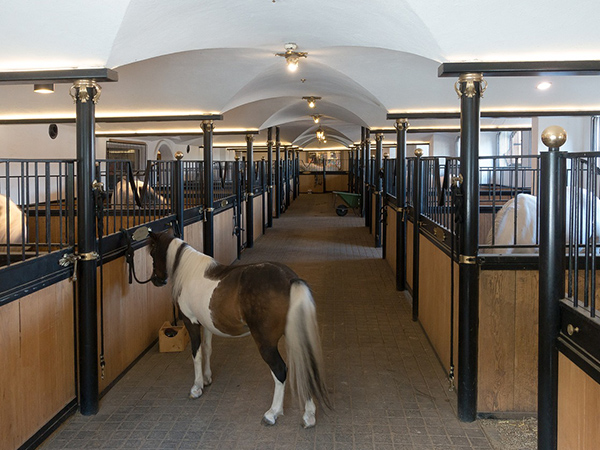
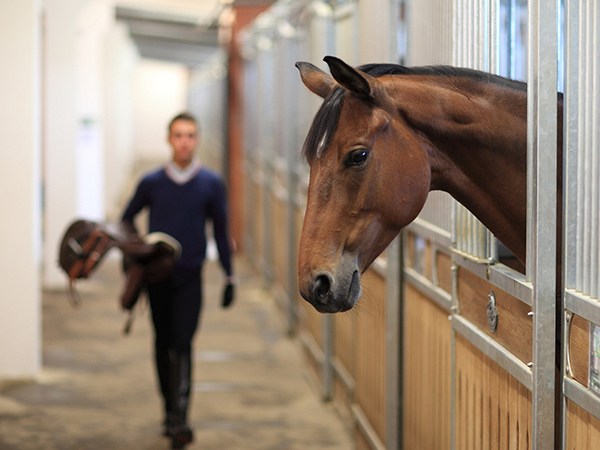
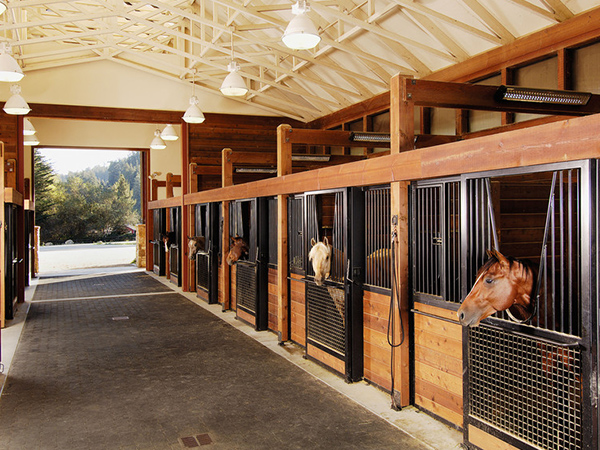
Our stables are built to meet international standards and offer superior ventilation, structural stability, and maximum protection. Each unit is designed with careful attention to horse behavior and daily management needs, creating a secure and stress-free environment.
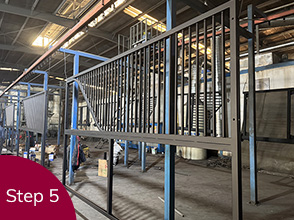
Frame Material: Pressure-treated pine wood (traditional) / galvanized steel (heavy-duty); anti-rot, anti-corrosion
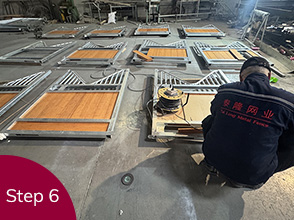
Panel Material: Solid wood planks (18–25mm thick), steel mesh (optional for ventilation), PVC cladding (weather-resistant option)
Stall Dimensions (Per Unit):
1) Standard Size: Width: 3.6m (12ft) × Depth: 3.6m (12ft) × Height: 2.4–2.7m (8–9ft)
2) Large Size (for draft horses): Width: 4.2m (14ft) × Depth: 4.2m (14ft) × Height: 2.7–3.0m (9–10ft) -
3) Walkway Width (between stalls): 1.8–2.4m (6–8ft)
Door Type: Sliding door (wood/steel frame)
Swing door; door width: 1.2–1.5m (4–5ft)
Floor: Anti-slip rubber mat / concrete (with drainage grooves); mat thickness: 20–30mm
Key Components: Removable feeding trough (capacity: 20–40L), water bucket holder, ventilation grilles (15×15cm mesh), safety latches (child-proof optional), kick plates (1.0m height from floor to prevent damage)
Assembly: Modular design (tool-free connection optional); installation time: 2–4 hours per stall (2 people)
Service Life: Wood frame: ≥10 years; Steel frame: ≥15 years (proper maintenance)








Keep in touch with us
If you have any questions or requirements, please feel free to contact our customer service team. Our professional team will provide you with detailed product information, answer your questions, and tailor the best solution to meet your needs.
Mob:+86-153-6985-6999 +86-133-2318-6988
E-mail:Sales@fence-global.com